Yūgen
Doltz
Preview: Kasumi
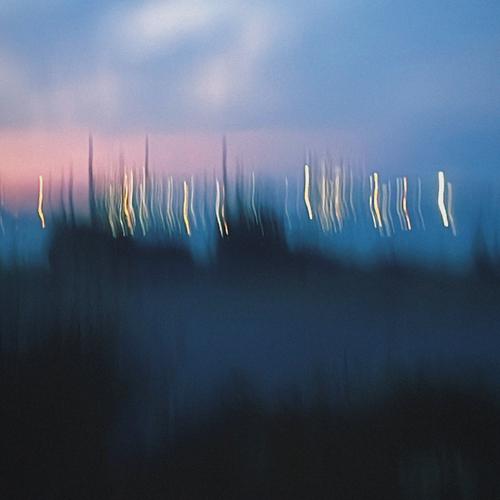
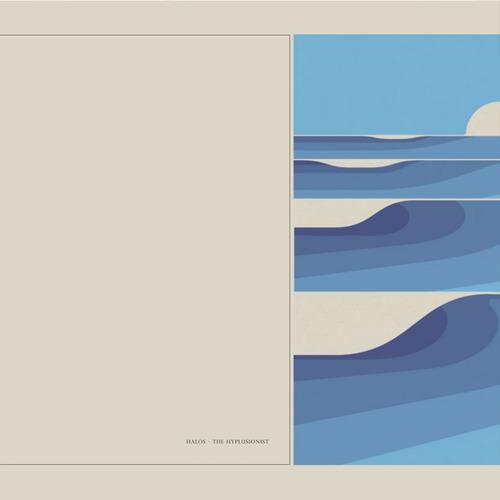
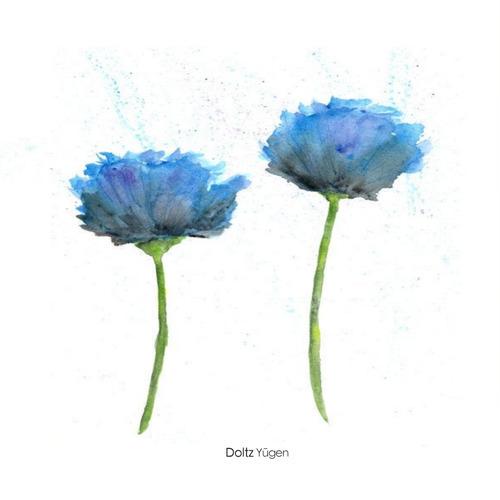
Yūgen is an important concept in traditional Japanese aesthetics. The exact translation of the word depends on the context. Yūgen is not an allusion to another world. It is about this world, this experience… “To watch the sun sink behind a flower clad hill. To wander on in a huge forest without thought of return. To stand upon the shore and gaze after a boat that disappears behind distant islands. To contemplate the flight of wild geese seen and lost among the clouds…” –Zeami Motokiyo Japanese aesthetic ideals are most heavily influenced by Japanese Buddhism. In the Buddhist tradition, all things are considered as either evolving from or dissolving into nothingness. This “nothingness” is not empty space. It is rather a space of potentiality. If the seas represent potential then each thing is like a wave arising from it and returning to it. There are no permanent waves. There are no perfect waves. At no point is a wave complete, even at its peak. Nature is seen as a dynamic whole that is to be admired and appreciated. Yūgen by Doltz 'is inspirated by the sea, mountains, plants, animals, old towns and landscapes that change over time '
Tracks
Individual track purchase

Kasumi
Doltz
€1.50

Shiranui
Doltz
€1.50

Yoi
Doltz
€1.50

Kagen no Tsuki
Doltz
€1.50

Tsubame
Doltz
€1.50

Suisen
Doltz
€1.50

Reimei
Doltz
€1.50

Fuhen
Doltz
€1.50

Mono Sabita Kanjakuna Yojo
Doltz
€1.50
Purchase items (2)

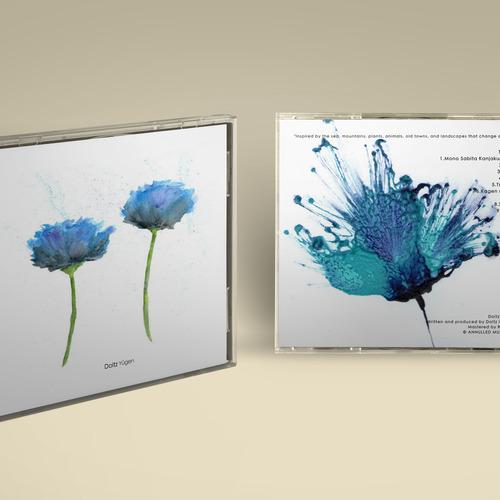
Yugen | Limited Edition CD-r
$7.00
one item
Limited edition in classic jewelbox CD. Each CD-r includes a color diptych with reversible album pictures.
Digital album
€5.00
full release
Yūgen is an important concept in traditional Japanese aesthetics. The exact translation of the word depends on the context. Yūgen is not an allusion to another world. It is about this world, this experience… “To watch the sun sink behind a flower clad hill. To wander on in a huge forest without thought of return. To stand upon the shore and gaze after a boat that disappears behind distant islands. To contemplate the flight of wild geese seen and lost among the clouds…” –Zeami Motokiyo Japanese aesthetic ideals are most heavily influenced by Japanese Buddhism. In the Buddhist tradition, all things are considered as either evolving from or dissolving into nothingness. This “nothingness” is not empty space. It is rather a space of potentiality. If the seas represent potential then each thing is like a wave arising from it and returning to it. There are no permanent waves. There are no perfect waves. At no point is a wave complete, even at its peak. Nature is seen as a dynamic whole that is to be admired and appreciated. Yūgen by Doltz 'is inspirated by the sea, mountains, plants, animals, old towns and landscapes that change over time '